
The National Flood Insurance Program (NFIP) officially expired on October 1, just six months after Congress approved a temporary extension. The lapse, which comes during the heart of hurricane season, leaves thousands of homeowners without the ability to renew coverage and causes significant disruptions in home sales nationwide.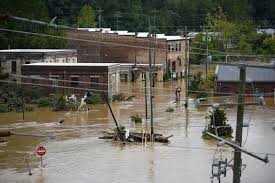
NFIP’s authority ended alongside the federal budget deadline, as lawmakers failed to reach an agreement to continue funding the program. This has resulted in an immediate pause on new policy issuances and renewals, although existing claims will still be processed using available funds, according to FEMA, which manages the program.
Real Estate and Insurance Markets Feel the Strain
With NFIP now inactive, the consequences are being felt across the housing market. The National Association of Realtors (NAR) estimates that around 1,300 home transactions per day — or 40,000 per month — are being held up. The organization is urging Congress to pass a long-term NFIP extension, along with key reforms like updated flood risk maps, mitigation funding, and modernized premium structures.
In a recent letter to lawmakers, NAR highlighted that the program plays a critical role in facilitating roughly 500,000 home sales every year.
Lawmakers and Industry Groups Urge Immediate Action
Despite mounting pressure from state leaders and industry advocates, Congress failed to act before the deadline. Days before the program ended, New York Assemblywoman Pamela Hunter, president of the National Conference of Insurance Legislators (NCOIL), stressed the urgency of preventing a lapse.
“With hurricane season peaking, now is not the time to leave communities vulnerable,” Hunter said. “NFIP offers essential stability for both homeowners and insurers, and Congress must come together to enact reforms and protect those at risk.”
Jimi Grande, a senior executive with the National Association of Mutual Insurance Companies (NAMIC), echoed those concerns, stating ahead of the expiration that allowing NFIP to lapse during hurricane season was unacceptable.
Following the October 1 deadline, NAMIC President Neil Alldredge warned that millions are now at greater risk. “There are still two months left in hurricane season. Every day without NFIP is a day more Americans are exposed to devastating losses,” he said.
Alldredge pointed to long-standing structural problems in the program, including outdated mapping and subsidies that unintentionally promote building in high-risk flood zones. “People who did the responsible thing and bought flood insurance through NFIP shouldn’t lose coverage because of congressional dysfunction,” he added.
Calls Grow for Long-Term Reform
The American Property Casualty Insurance Association (APCIA) also urged Congress to act quickly to reinstate NFIP, emphasizing that access to flood insurance is critical for mortgage approvals and property protection. Sam Whitfield, APCIA’s senior vice president for federal government affairs, reiterated the need for lasting reform and stability.
Lizzy Price, a spokesperson for the Insurance Fairness Project, pointed to broader concerns about the fragility of the insurance market: “The failure to reauthorize NFIP adds to the growing insurance crisis being worsened by climate change. When federal support dries up, families are left to pay the price.”
Funding Gaps and Repeated Extensions
NFIP has relied on short-term renewals since 2017, having been extended more than 30 times. The last extension came in March 2025, shortly after FEMA borrowed $2 billion from the U.S. Treasury to keep up with rising claims from the destructive 2024 hurricane season, especially Hurricanes Helene and Milton.
Those events severely depleted the program’s reserves. As of January 25, the NFIP had only $615 million left on hand to pay out claims, according to a report by the Congressional Research Service.