
Homeowners across the United States are facing unprecedented increases in property insurance costs, as a growing number of climate-fueled disasters wreak havoc on housing markets and strain the insurance industry. The first half of 2025 has seen property insurance prices climb to record levels, with regions recently battered by extreme weather events experiencing the sharpest spikes.
According to the Mortgage Monitor report released Monday by Intercontinental Exchange Inc., the average annual cost of property insurance for a mortgaged single-family home reached $2,370 — a 4.9% increase in just the first six months of this year. The trend highlights the mounting financial pressure homeowners face as insurers reevaluate risk models in light of increasingly destructive environmental conditions.
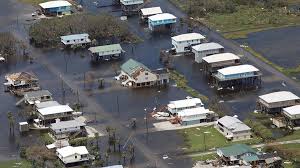
Several states have emerged as hotspots for insurance price surges. In particular, North Carolina and South Carolina saw substantial increases in premiums following severe flooding caused by Hurricane Helene in 2024. Meanwhile, in California, residents continue to recover from a devastating wildfire season earlier this year, which wiped out neighborhoods and destroyed thousands of homes.
In Los Angeles, where sprawling wildfires raged across hillsides and into residential communities in January, the financial aftermath is still unfolding. Homeowners in the city have seen their insurance premiums rise by 9% in the first half of 2025 alone — and by nearly 20% since the middle of last year. The fires, which forced thousands to evacuate and caused billions in damage, have prompted insurers to drastically reassess the cost of coverage in high-risk zones.
Insurance companies are reacting to the increased volatility of climate-related events by raising premiums, tightening underwriting requirements, or in some cases, pulling out of disaster-prone regions altogether. As a result, homeowners are often left with fewer options, higher costs, or the need to rely on government-backed insurance programs when private carriers exit the market.
Despite the rising costs, Californians continue to pay some of the lowest average home insurance premiums in the country. This is partly due to long-standing state regulations and historical market dynamics. However, that may be changing as the frequency and severity of wildfires increase, leading many experts to warn that California’s relative affordability could soon disappear.
In contrast, states located in the hurricane- and storm-prone South and Midwest tend to bear the heaviest insurance burdens. These regions, frequently hit by high winds, hail, and flooding, have some of the highest home insurance premiums in the U.S.
Florida, in particular, has become a flashpoint in the national conversation about the sustainability of property insurance markets. For years, the state has relied heavily on Citizens Property Insurance Corporation, a state-run insurer of last resort, as private companies scaled back operations or left the market entirely due to financial losses. However, new legislation passed in recent years has aimed to revitalize the private insurance sector and reduce the state’s exposure.
According to the Mortgage Monitor report, those efforts are beginning to show results. In Miami, often cited as the most expensive city in America for property insurance, the share of mortgaged homeowners relying on Citizens has declined from 46% to 27% over the past 18 months. That drop indicates a significant return of private insurers to the region — although residents are still paying some of the steepest premiums in the country.
The overarching trend is clear: climate change is transforming the landscape of property insurance in the United States. As wildfires, hurricanes, floods, and other disasters grow more intense and more frequent, insurers are recalibrating their models, raising prices, and limiting coverage in high-risk areas. For homeowners, this means navigating an increasingly expensive and uncertain insurance market, where protection from natural disasters is becoming both more essential and more difficult to afford.
Analysts warn that unless stronger climate mitigation and adaptation strategies are put in place — including better land use planning, disaster prevention infrastructure, and updated insurance frameworks — the financial toll on American homeowners will only worsen in the years to come.